 English
 日本語
日本語 中文网站(繁体)
 Русский
 Bahasa Indonesia
 ภาษาไทย
 Tiếng Việt
 대한민국
대한민국
Introduction
For decades, neurodegenerative diseases like Alzheimer’s, Parkinson’s, and ALS have remained some of the most devastating and least curable conditions in medicine. Traditional treatments often focus on symptom management—delaying progression rather than reversing damage.
Today, however, stem cell therapy is reshaping that reality. In Korea, clinics like Lydian Clinic in Gwanak are at the forefront of regenerative medicine, providing innovative therapies that aim not just to manage, but to repair and regenerate nerve tissue damaged by these diseases.
Understanding the Diseases
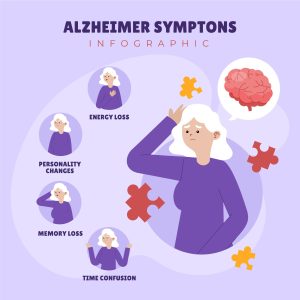
Alzheimer’s disease, the most common form of dementia, leads to progressive memory loss and cognitive decline.
Parkinson’s disease causes tremors, stiffness, and impaired movement as dopamine-producing neurons deteriorate.
ALS (Amyotrophic Lateral Sclerosis) destroys motor neurons, leading to muscle weakness and loss of control.
All three share a key trait — the loss of neurons that the body cannot naturally replace. That’s where stem cell therapy comes in.
How Stem Cell Therapy Helps
Stem cells are the body’s master repair cells, capable of transforming into nerve, brain, or support cells. In treating neurodegenerative diseases, they serve three main purposes:
Cell Replacement: Stem cells can differentiate into neurons to replace those lost to disease.
Neuroprotection: They release growth factors that reduce inflammation and oxidative stress in the brain.
Regeneration Support: They enhance the body’s natural healing ability, improving brain function and connectivity.
At Lydian Clinic, stem cell therapy is performed using high-purity mesenchymal stem cells (MSCs) — known for their safety and regenerative potency.
Breakthroughs in Global and Korean Research
Ongoing research worldwide is showing encouraging progress:
Alzheimer’s: Studies suggest stem cells help reduce toxic amyloid buildup, slow memory loss, and improve cognition.
Parkinson’s: Transplanted stem cells have been shown to restore dopamine function and motor control in early clinical trials.
ALS: In Korea, researchers are exploring stem cell infusions that protect remaining motor neurons and improve movement endurance.
With Korea leading Asia in stem cell innovation, many international patients are traveling to Seoul for advanced, ethically approved treatments that combine science with precision care.
Stem Cell Therapy at Lydian Clinic, Gwanak
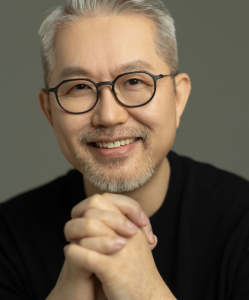
At Lydian Clinic, Dr. Abraham An and his team combine medical aesthetics, regenerative science, and internal medicine to create holistic, patient-specific protocols. For neurological support, stem cell therapy may be paired with:
IV stem cell infusions to promote systemic healing.
Targeted delivery protocols for neurological recovery.
Supportive therapies, such as anti-inflammatory laser treatments and nutrition optimization.
Each program is carefully tailored based on the patient’s diagnosis, condition stage, and overall health status.
Benefits of Stem Cell Therapy for Neurodegenerative Conditions
Patients who undergo stem cell therapy often report:
Enhanced mental clarity and focus
Better control over movement or tremors
Reduced fatigue and inflammation
Slower disease progression over time
While stem cell therapy is not yet a complete cure, it is proving to be a powerful tool for regeneration and quality-of-life improvement.
Safety and Ethics
All treatments at Lydian Clinic adhere to Korean medical standards and use certified stem cell sources. Procedures are non-invasive, performed in sterile clinical environments, and designed for maximum safety.
Stem cells used are autologous (from your own body) or donor-derived mesenchymal cells, both backed by strong clinical safety records.