 English
 日本語
日本語 中文网站(繁体)
 Русский
 Bahasa Indonesia
 ภาษาไทย
 Tiếng Việt
 대한민국
대한민국
Introduction
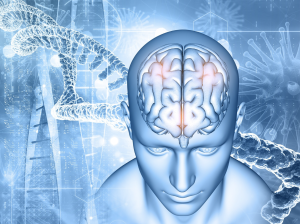
Advances in regenerative medicine are changing the way we approach brain and nerve disorders. Conditions like Parkinson’s, Alzheimer’s, ALS, and spinal cord injuries have long been considered irreversible. Traditional treatments focused on symptom management often fall short of restoring function or improving quality of life.
Stem cell therapy is emerging as a revolutionary approach, offering new hope through neuron repair, anti-inflammatory effects, and tissue regeneration. Clinics in Seoul, including Lydian Clinic in Gwanak, are pioneering these cutting-edge therapies for patients seeking real regenerative outcomes.
Understanding Brain and Nerve Disorders
Brain and nerve disorders occur when neurons or supporting glial cells are damaged or die. Common conditions include:
Parkinson’s disease: loss of dopamine-producing neurons leading to tremors and movement difficulties.
Alzheimer’s disease: progressive cognitive decline due to neuronal death.
ALS (Amyotrophic Lateral Sclerosis): degeneration of motor neurons, affecting mobility and muscle control.
Spinal cord injuries and neuropathies: impair motor function and sensory perception.
Because neurons have limited natural regeneration capacity, stem cell therapy offers a novel path toward repair and functional improvement.
Breakthroughs in Stem Cell Therapy
1. Neural Stem Cells for Neuroregeneration
Researchers have successfully developed neural stem cells capable of differentiating into neurons and glial cells. Clinical trials in Korea and internationally show promising improvements in motor function, coordination, and cognitive performance.
2. Mesenchymal Stem Cells (MSCs) for Neuroprotection
MSCs from bone marrow, fat, or umbilical cord tissue are being used to reduce inflammation, secrete growth factors, and protect existing neurons. Studies suggest MSC therapy can slow disease progression in Parkinson’s, Alzheimer’s, and ALS patients.
3. Exosome-Based Therapies
Exosomes—tiny vesicles secreted by stem cells—are gaining attention for their ability to cross the blood-brain barrier and deliver neuroprotective proteins directly to damaged tissue. This approach enhances neuron survival and may improve recovery outcomes in neurodegenerative conditions.
4. Combination Therapies
Combining stem cell therapy with physical rehabilitation, laser therapy, and nutritional support has shown enhanced outcomes. Clinics like Lydian Clinic offer integrated protocols to maximize regeneration and functional recovery.
Stem Cell Therapy at Lydian Clinic, Gwanak
At Lydian Clinic, Dr. Abraham An leads a team of regenerative medicine specialists who provide customized programs for patients with brain and nerve disorders. Treatments often include:
Intravenous MSC infusions for systemic neuroprotection.
Targeted injections to affected spinal or cerebral areas.
Adjunct therapies such as anti-inflammatory laser treatment and physiotherapy to enhance recovery.
Each treatment plan is personalized based on patient condition, disease stage, and overall health.
Benefits of Stem Cell Therapy for Brain and Nerve Disorders
Patients undergoing stem cell therapy may experience:
Improved cognitive function and memory
Enhanced motor control and mobility
Reduced inflammation in neural tissues
Slower progression of neurodegenerative disease
Better overall quality of life and energy
While results vary, research indicates significant potential for functional improvements.
Risks and Safety
Stem cell therapy is generally safe when performed at licensed, accredited clinics. Potential risks are mild and may include:
Temporary fatigue or mild swelling
Rare immune reactions (for donor-derived cells)
Variable outcomes depending on patient-specific factors
Korean regulations ensure all clinics, including Lydian, use certified stem cell sources and follow strict medical protocols.