 Skip to the content
Renuvion
Renuvion is a new alternative treatment for skin laxity.
It is a next-generation lifting solution designed for patients who are torn between the limited effectiveness of conventional lifting procedures and the burden of scarring from surgical excision.
This guide is especially helpful if:
Key Advantages of Renuvion
Optimal temperature of 85°C:
Using helium plasma technology, Renuvion rapidly reaches the optimal temperature for skin contraction, improving elasticity effectively without damaging surrounding tissues.
FDA-approved device:
Officially approved by the U.S. FDA for skin contraction and elasticity improvement.
Minimal incision:
Compared to excisional surgery, Renuvion uses significantly smaller incisions, making scars nearly invisible.
Versatile application areas:
Suitable for the face (jawline, double chin, cheeks, neck) as well as the body (abdomen, arms, thighs, back), allowing full-body skin tightening.
Treatment Selection Guide
Lydian Clinic provides a customized total solution tailored to each patient’s skin condition.
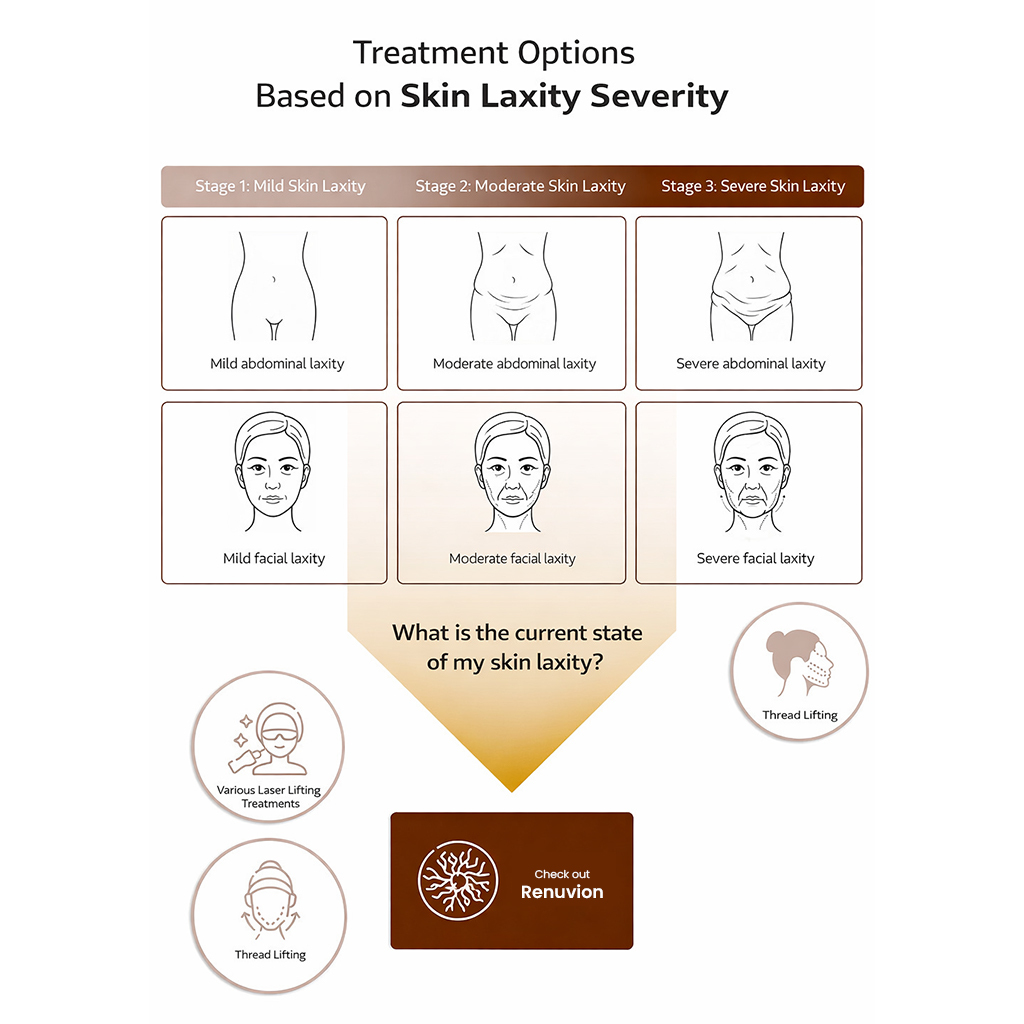
Before introducing Renuvion as a new alternative, let’s first examine the limitations of conventional skin laxity treatments.
Currently, skin laxity treatments are largely divided into two categories:
Despite these options, many patients hesitate. Let’s explore why.

Major types of lifting treatments include radiofrequency, ultrasound, laser, and thread lifting. Each method improves sagging skin either by delivering thermal energy to the skin layers or by inserting threads to lift the skin. Because these procedures do not require skin incisions, they leave no scars and allow for quick recovery, making them a popular choice for many people.
Although these options are convenient and relatively free, there are reasons why individuals with moderate skin sagging often do not achieve satisfactory results.
Why Patients Hesitate About Lifting Procedures
Common lifting treatments include RF, ultrasound, laser, and thread lifting. These methods deliver thermal energy to the skin layers or insert threads to improve laxity. Their major advantage is that they do not require skin excision, resulting in no visible scars and faster recovery. However, for patients with moderate skin laxity, these treatments often fail to produce satisfactory results.
Limitations of RF & Ultrasound Lifting
Limitations of Thread Lifting

Excisional surgery removes excess skin directly and pulls the remaining skin upward, making it the most effective option for severe skin laxity. Common examples include facelifts, abdominoplasty, arm lifts, and thigh lifts.
Despite its effectiveness, many patients are reluctant.
Visible Scarring
Because the skin is surgically excised, scars are inevitable. Scar location and size vary by procedure:
While scars fade over time, they do not disappear completely and may be visible in daily life. Skilled surgeons can design incisions to minimize visibility, for example, placing abdominoplasty scars below the underwear line. However, techniques vary by clinic, so thorough pre-operative consultation is essential.
Psychological Burden of Skin Excision
Excisional surgery permanently removes skin. Once removed, skin cannot be restored, which creates a significant psychological burden for many patients.
The dilemma between visible surgical scars and insufficient lifting results led to the development of Renuvion.
Renuvion offers superior skin contraction compared to traditional lifting procedures while using only minimal incisions, making it a next-generation skin tightening solution positioned between non-surgical lifting and excisional surgery.

FDA Approval
It is specifically approved for preventing and improving skin laxity after liposuction.
Worldwide Clinical Validation

Reaching the Optimal Skin-Contraction Temperature of 85°C
Minimal Incisions, Minimal Scars
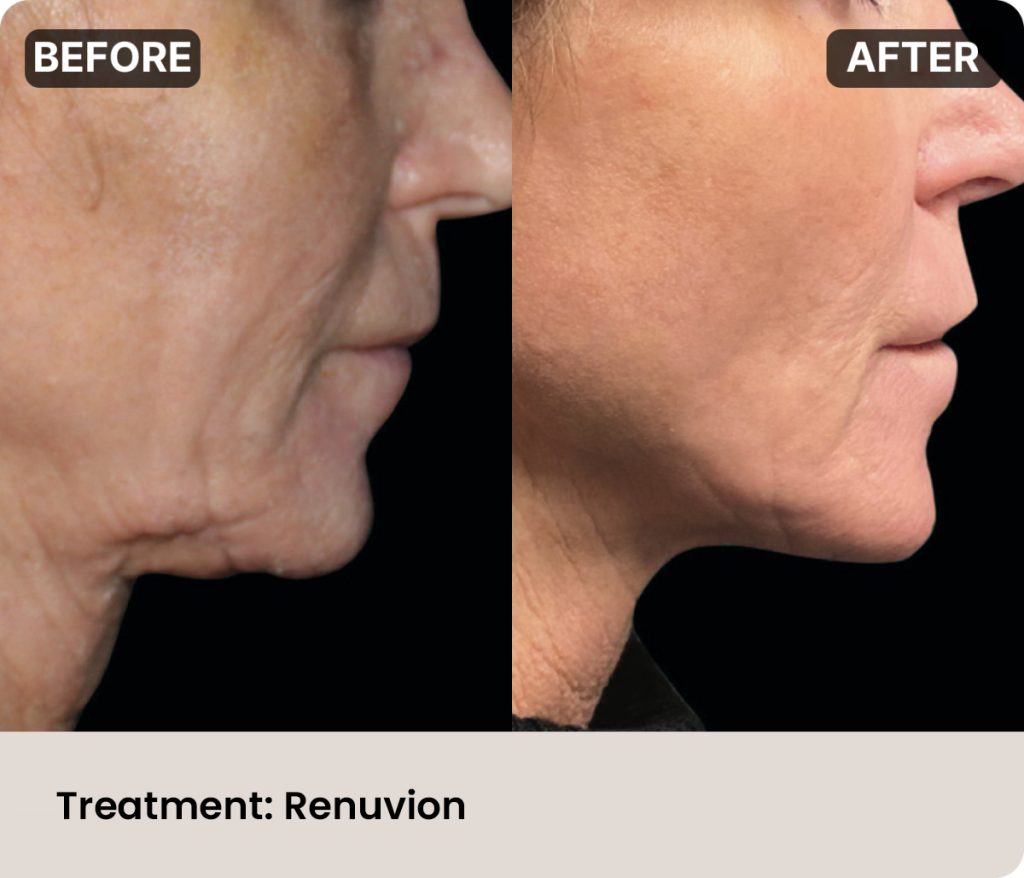
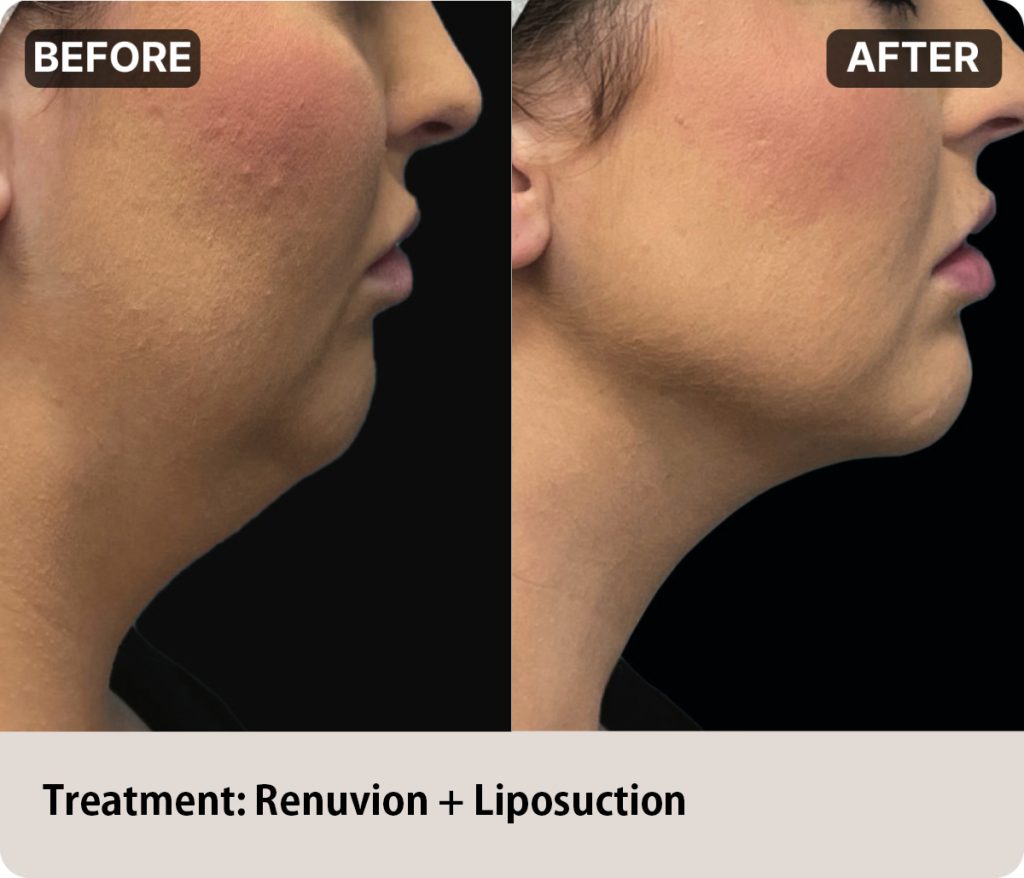
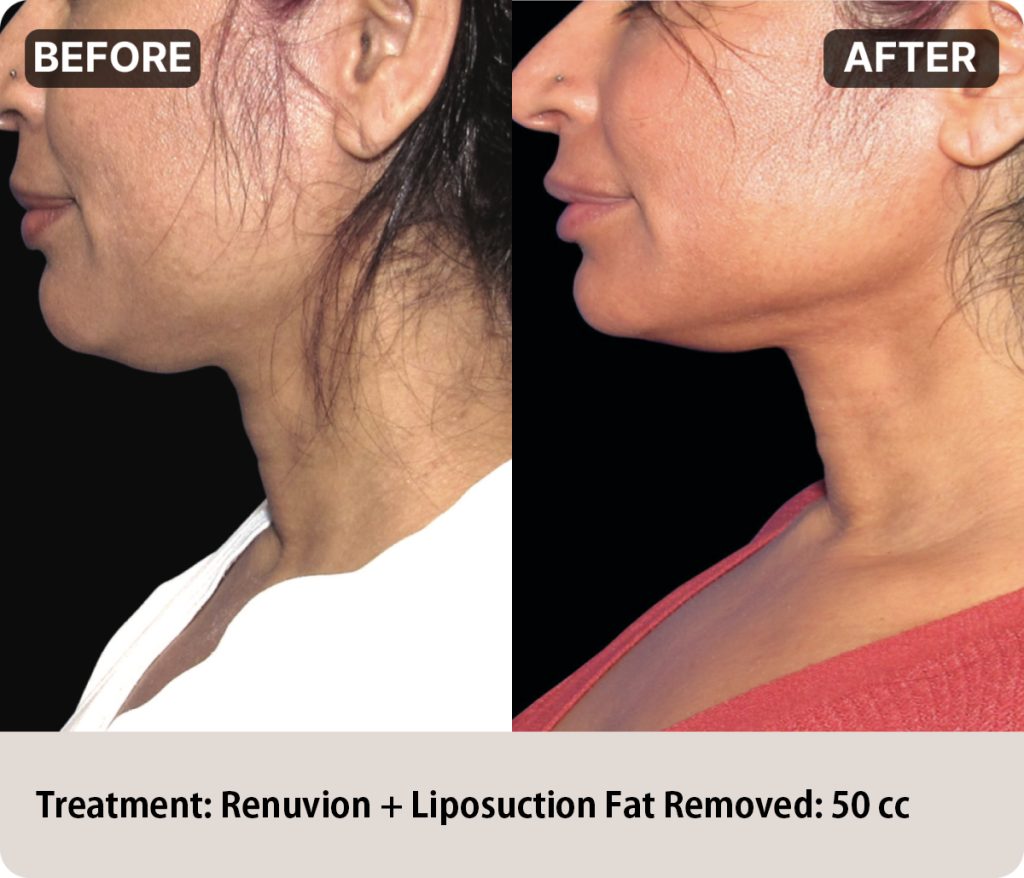
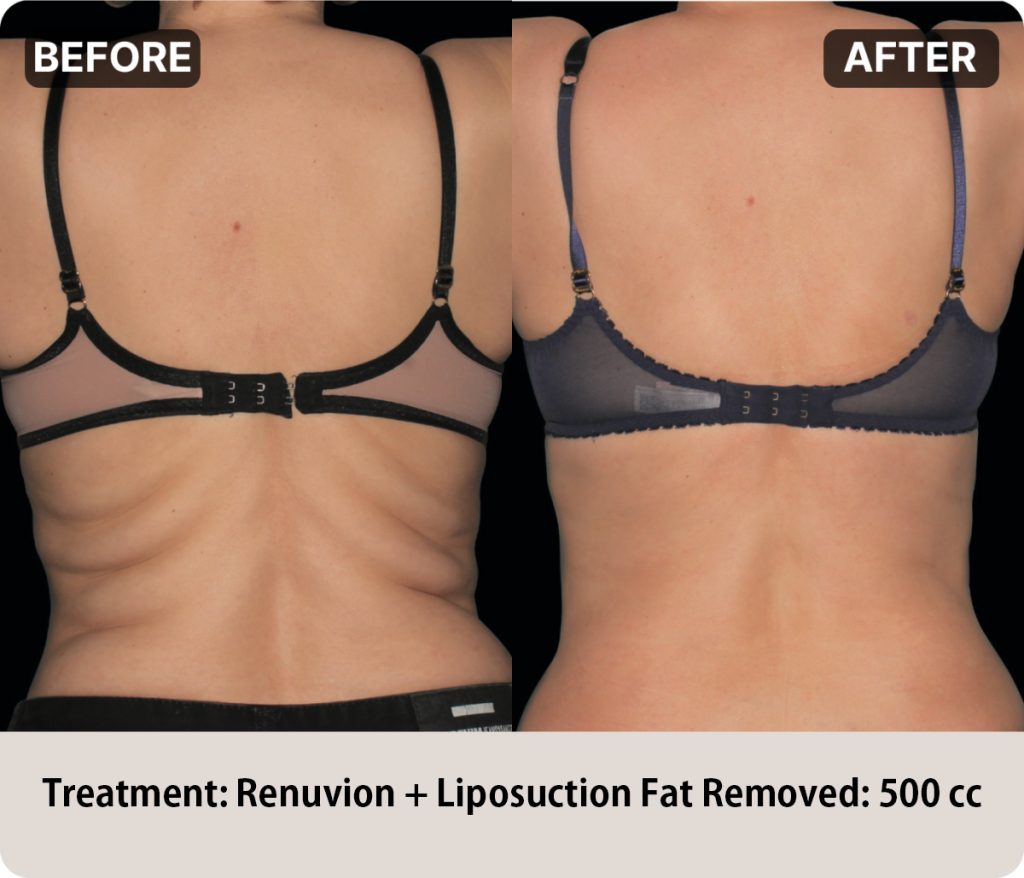
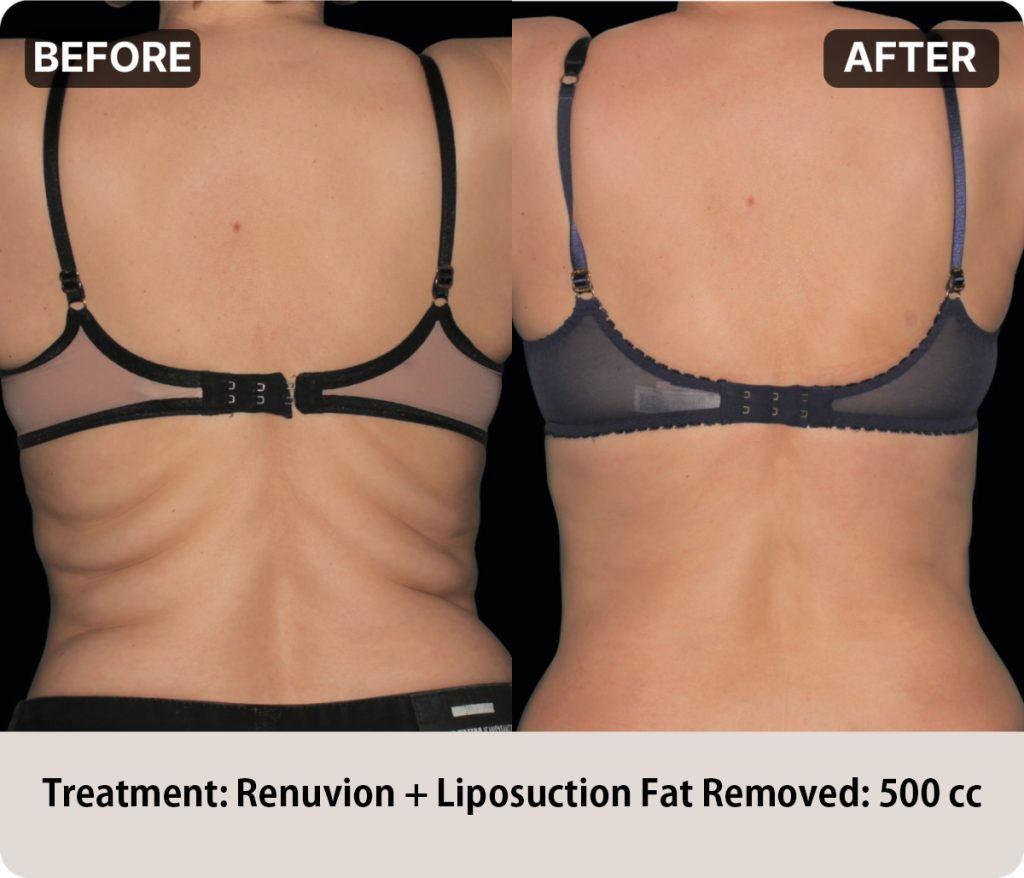
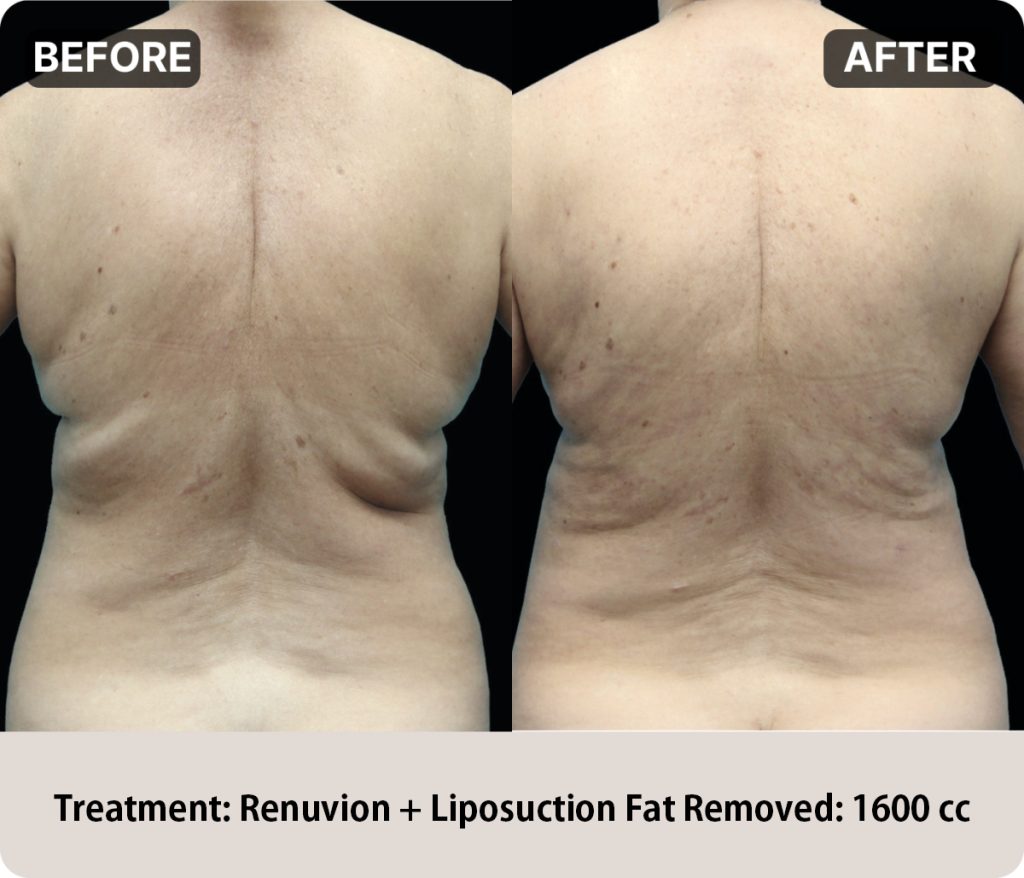
Those Concerned About Skin Sagging After Liposuction
Those with Moderate Skin Sagging
Minimal Scarring Through Smaller Incisions
Those Experiencing Skin Sagging in Various Areas

Causes of Stretch Marks
Stretch marks are a type of scar that occurs when the skin rapidly stretches, causing damage to collagen and elastic fibers in the dermal layer.
They occur due to pregnancy, rapid weight gain, or growth spurts.
Especially after pregnancy or rapid dieting, the skin goes through a process of stretching and then contracting.
Because of this process, skin sagging and stretch marks often appear together.
Stretch marks occur when the skin stretches, and skin sagging appears as the skin contracts.
Therefore, a significant number of people considering treatment for skin sagging are also dealing with stretch mark concerns at the same time.
Lydian Stretch Mark Treatment Recipe
The difficulty of treating stretch marks varies depending on their type.
High-difficulty stretch mark cases are usually long-standing white stretch marks.
Below is a brief introduction to Lydian’s main stretch mark treatment recipe.
First, Stem Cell Treatment
New cells are generated to regenerate the scar tissue known as stretch marks.
Growth factors secreted from stem cells fill the damaged tissue from within, restoring the skin to its original condition.
Second, Mirajet
In the case of long-standing stretch marks, damage has reached deep into the dermal layer.
At this stage, Lydian uses Mirajet to deliver medication deep into the dermis, improving stretch marks.
Third, Radiofrequency Treatment
Radiofrequency treatment delivers waves that reactivate damaged cells and stimulate them to function again.
Lydian Clinic

Surgical Lift – The Extent of Incision Varies Depending on the Degree of Sagging
Lydian Surgical Lift Designed to Conceal Incision Scars

 English
 日本語
 中文网站(繁体)
 Русский
 Bahasa Indonesia
 ภาษาไทย
 Tiếng Việt
 대한민국