 English
 日本語
日本語 中文网站(繁体)
 Русский
 Bahasa Indonesia
 ภาษาไทย
 Tiếng Việt
 대한민국
대한민국
Contents
Introduction
In recent years, stem cell therapy has shifted from being a cutting-edge idea in research labs to a mainstream solution in internal medicine. For patients in Gwanak, Seoul, this advanced therapy is now within reach—offering hope for chronic conditions, faster recovery, and even anti-aging benefits. Unlike traditional medicine that often focuses on symptom management, internal medicine stem cell therapy aims to restore the body at its core by repairing tissues and balancing the immune system.
What Is Internal Medicine Stem Cell Therapy?
Internal medicine focuses on diagnosing, preventing, and treating chronic illnesses such as diabetes, hypertension, autoimmune diseases, and metabolic disorders. Stem cell therapy, when combined with internal medicine practices, takes this further by introducing regenerative treatment options.
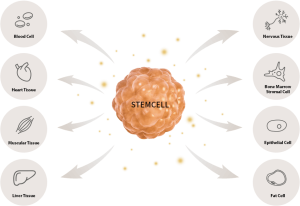
Stem cells—especially mesenchymal stem cells (MSCs)—have the ability to reduce inflammation, stimulate tissue repair, and regulate immune response. This makes them powerful allies in treating conditions that are otherwise difficult to manage with conventional medicine.
Conditions Treated with Stem Cell Therapy in Internal Medicine
Patients in Gwanak are increasingly seeking this therapy because of its broad applications, including:
- Autoimmune diseases (such as lupus, rheumatoid arthritis, and Crohn’s disease)
- Chronic inflammatory conditions (e.g., asthma, chronic bronchitis, arthritis)
- Metabolic disorders (like type 2 diabetes and fatty liver disease)
- Cardiovascular support (improved circulation, reduced arterial inflammation)
- General wellness and anti-aging (enhancing vitality, reducing systemic inflammation)
Why Patients in Gwanak Are Choosing Stem Cell Therapy
Gwanak has become a hub for advanced medical treatments, thanks to its specialized clinics and research-backed therapies. Here’s why locals and international patients are drawn to internal medicine stem cell therapy here:
1. Holistic Approach – Instead of suppressing symptoms, the therapy targets root causes of disease.
2. Reduced Side Effects – Many patients report fewer complications compared to long-term medication use.
3. Improved Quality of Life – From energy levels to joint mobility, patients often feel rejuvenated.
4. Accessibility – Clinics in Gwanak are well-equipped with modern facilities and English-speaking staff, making treatment easier for foreigners.
The Stem Cell Therapy Process
If you’re considering internal medicine stem cell therapy in Gwanak, here’s what to expect:
1. Consultation & Diagnosis – A physician evaluates your medical history and suitability for therapy.
2. Stem Cell Harvesting or Preparation – Depending on the treatment, stem cells are either extracted (from fat or bone marrow) or sourced from donated umbilical cord tissue.
3. Injection or IV Infusion – Stem cells are administered intravenously or directly to affected areas.
4. Monitoring & Follow-Up – Patients are closely monitored to track improvements and adjust care plans.
Safety and Effectiveness
Clinical studies worldwide show that stem cell therapy is safe when performed in accredited clinics. In Korea, strict medical regulations ensure patients receive treatments that meet high international standards. Side effects are rare and usually mild, such as temporary fatigue or injection site soreness.
Internal Medicine Meets Regeneration in Gwanak
What makes stem cell therapy in Gwanak unique is the fusion of traditional internal medicine expertise with cutting-edge regenerative therapy. By combining diagnostic precision with cell-based healing, patients often experience long-term improvements rather than short-term relief.
FAQs
Q: How long does it take to see results?
Most patients notice changes within a few weeks, though chronic conditions may require multiple sessions.
Q: Is stem cell therapy safe for elderly patients?
Yes. In fact, older patients often benefit greatly, especially in terms of energy, mobility, and reduced inflammation.
Q: Can it replace my current medications?
Not immediately. Stem cell therapy works best as a complement, and your doctor will guide you on tapering medications if improvements are sustained.